With Valentines Day just around the corner, your thoughts might turn to romance…and perhaps chocolate. Every year U.S. consumers purchase (and presumably consume) approximately 60 million pounds of chocolate. Despite this being a phenomenal amount, Easter is actually an even bigger chocolate frenzy, clocking in at approximately 71 million pounds of cacao bean goodness. The biggest chocolate feast of all however is Halloween. Nearly 100 million pounds of chocolate in all shapes and spooky sizes are sold for trick-or-treaters of all ages. But despite all of this, the U.S. lags the world’s biggest chocolate consuming country by pounds. The Swiss eat roughly 22 pounds of chocolate per person every year.
Sustainable Chocolate
The problem is that only 10% of all these many tonnes of chocolate sold is sustainable chocolate. On February 15th, several big movers and shakers in the cocoa industry will gather to explore ways of increasing sustainable cocoa purchasing. This is important because the traditional way of growing cacao not only produces a better and more delicious chocolate, it also protects our environment in myriad ways.
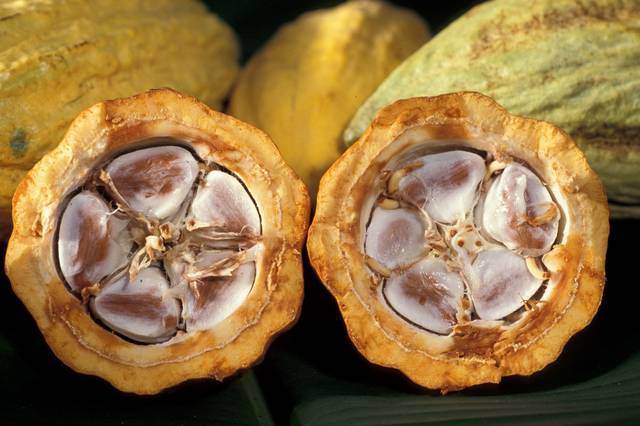
The cacao bean is native to the tropical rain forests of Central and South America. For generations the crop has been grown amongst the rain-forest – the very definition of biodiversity. When grown this way, the cacao plants protect the forests because there is an economic incentive to do so. Protecting our rain forests has dramatic effects on our planetary ecosystem, and we’ve only begun to discover them.
When forests are cut down and cacao is grown with non-sustainable practices there are numerous damaging effects. Loss of forest habitat in Central and South America has been directly linked to the diminishing population of song birds worldwide. When trees are cleared and chocolate is grown as a monoculture more pesticides and fertilizers are needed. Why? The natural predators (such as the birds) are not present. The trees no longer protect against soil erosion or contribute composted matter that enriches the soil. All of this also affects pollinators and so the cycle is further damaged and on it goes.
This Valentines Day be sure your sweetheart knows that sustainable chocolate is the way to win your heart. Then, when you break your diet and gorge yourself you can be consoled. Your lack of willpower has at least helped support birds, bees and trees.