Only three stories this week. I'd rather give you three worth reading than pad the list, and it was a thin week for seed news. Two of the three lead back to Bayer, which is starting to feel like a regular feature.
1. Boulder County plans to spray a weed killer from drones on Red Hill
Source: The New Lede, October 23, 2026
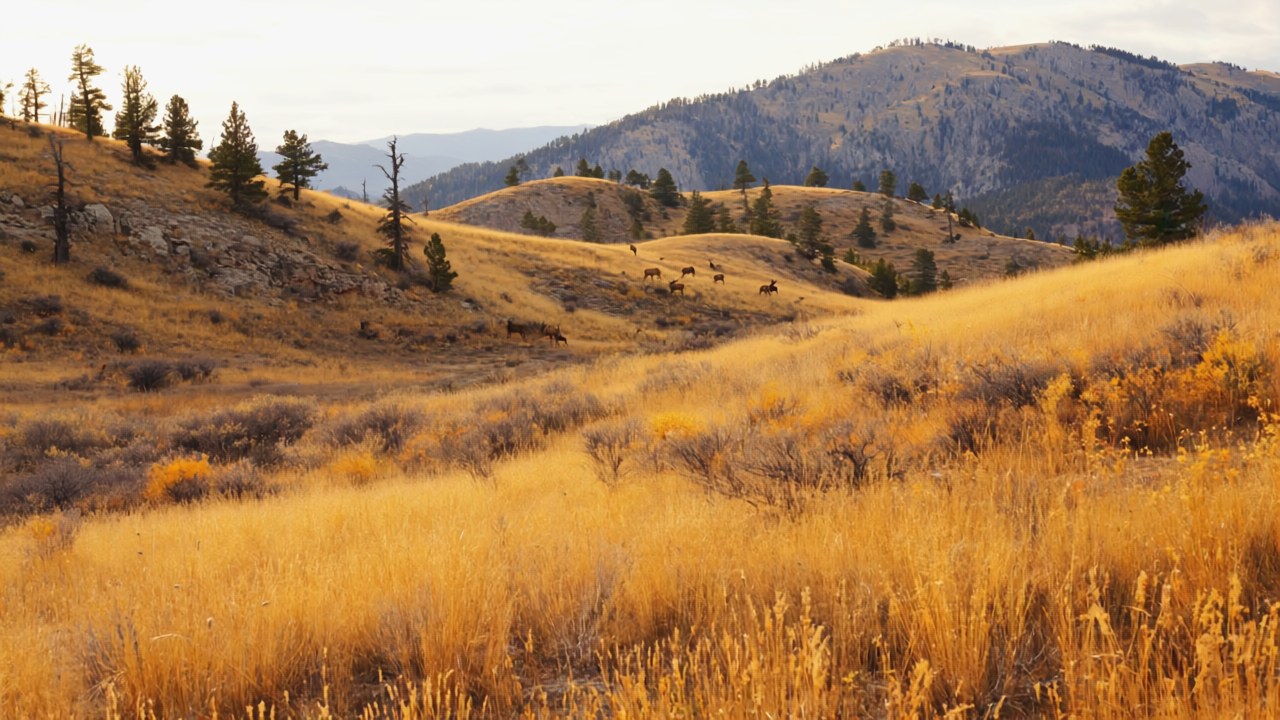
Boulder County, Colorado, plans to use drones to spray the herbicide indaziflam, sold as Rejuvra, over hundreds of acres of Red Hill, a wildland area that's home to elk and bighorn sheep. The product was developed by Bayer and is now sold by Envu, and critics say it contains PFAS. County officials say it will control invasive weeds and lower wildfire risk, and a county spokesperson told The New Lede the chemicals have "minimal impact on mammals." A lawsuit against the county's broader plan, which covers about 3,000 acres by 2030, lost on October 9, two conservation groups have filed notice of a new suit under the Endangered Species Act, and opponents expect spraying to start around November 1.
My take: I understand the wildfire argument. Cheatgrass burns fast, and nobody in the West takes fire lightly. But Rejuvra is sold as a pre-emergent, meaning it works in the soil to keep weed seeds from getting established, and it's marketed to keep working for years. On wild land, native plants have to come back from seed too. So you're spraying a product built to stop seeds, from the air, over ground you're trying to keep wild. The county says it targets plant biology. That's exactly the part that worries me. The one commissioner who voted against it, Ashley Stolzmann, said the community never supported this, and local farmers are clearly upset. With a new lawsuit coming, waiting a season costs very little. Getting it wrong on soil you can't un-spray costs a lot more. (Last week it was atrazine in California. Different chemical, same old argument.)
2. Pakistan weighs renewing GM maize licenses for Bayer and Corteva
Source: ProPakistani, October 23, 2026
Pakistan's National Biosafety Committee was set to consider renewing commercial licenses for insect-resistant and herbicide-tolerant GM maize varieties from Corteva and Bayer at its October 23 meeting. Critics say a renewal now would get ahead of a policy review the prime minister ordered, which hasn't finished. Pakistan's environmental protection agency halted GM maize experiments and import approvals in 2019 over cross-pollination and the risk to the country's non-GMO maize exports, and the report says talks between ministries found no meaningful gain in yield or savings from GM seed compared with conventional hybrids. I couldn't find a report of the committee's decision yet.
My take: Corn pollen travels. Once GM traits are in a country's maize, there's no recall, and every farmer saving their own seed downwind inherits the problem. That's not a hypothetical. It's what Percy Schmeiser spent years in court over with canola. What strikes me here is that, going by this report, Pakistan's own ministries didn't find a yield or cost advantage. So what's the hurry, before the prime minister's review is even done? A non-GMO export market is worth something, and it's a lot easier to keep than to win back. Herbicide-tolerant corn is made to be sprayed, too, so approving the seed means approving more spraying. If I were a Pakistani maize grower, I'd want the review finished first. Contamination is one of the threads that runs through Open Sesame, if you want the longer version from the seed savers who live with it.
3. USDA's $8 billion fuel aid goes to commodity growers first
Source: Civil Eats, October 20, 2026
President Trump announced an $8 billion Harvest Fuel Relief Program at a rally in Kansas, paid through USDA's Commodity Credit Corporation, to offset diesel prices that have climbed with the war in Iran. Growers of commodity crops like corn and soybeans will be paid first, and USDA says specialty crop growers, the people growing fruits, vegetables and nuts, will be eligible "at a later date." The National Farmers Union called the losses "largely foreseeable," and Farm Action called the program a short-term fix to a systemic problem. Civil Eats also notes that analyses of $12 billion in aid paid earlier this year found the largest 10 percent of farms got about half of it.
My take: Diesel prices hurt everybody who farms, including the vegetable grower with a small tractor and a long delivery route. I'm not against helping farmers through a price shock. What bothers me is that the line forms the same way every time. Corn and soy go first, and the people growing the food on your plate wait for "a later date." Then the biggest operations take the biggest share, which makes them bigger, which makes the next bailout look the same. That's what concentration looks like in a budget. A system that needs an emergency check every few months isn't resilient. It's propped up. I'd rather see that money build things that last, like local processing and seed work for regional growers, the kind of work you'll find in our old interview with Nick Maravell.
Also worth a look
- Great Britain's glyphosate approval runs out December 15, and regulators are considering an extension while the review drags on (Farmers Guide, October 14)
- Calley Means, a top MAHA food policy adviser, has left the Trump administration (Civil Eats, October 22)
- Food access organizers say MAHA's promises haven't reached them (Civil Eats, October 22)
- A study suggests the EPA may be vastly under-reporting PFAS levels in drinking water (The New Lede, October 23)
- A report alleges Maryland's fund for CAFO manure wastes taxpayer money while Chesapeake Bay pollution continues (The New Lede, October 20)
It was a quiet week for seeds, so if you saw something I missed, put the link in the comments. I read every one, and good tips end up in next Sunday's issue.
Seed Sunday summarizes reporting from the linked sources. Commentary reflects the author's personal opinions.