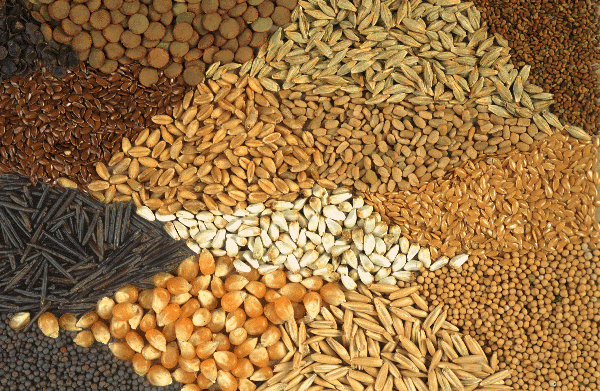
Ninety-four percent of the seeds that existed one hundred years ago are now extinct. These are primarily what are known as ‘heirloom seeds’, open-pollinated varieties that were passed down for generations. It may seem incredible, but these are the findings of the Food and Agriculture Organization. Just six percent of the gorgeous biodiversity that emerged over twelve thousand years of agriculture remains. In total, we rely on approximately 150 species to fill our caloric needs and most people consume no more than twelve. Three main crops (corn, soy and wheat) are responsible for the bulk of our caloric intake directly or indirectly (much of it is fed to cattle).
When I learned this, I was astounded. It’s one of the reasons I began making Open Sesame – The Story of Seeds’. How could such a mass extinction have gone practically unnoticed? After all, if ninety-four percent of any other species became extinct, it would surely be front-page news. But seeds suffer a silent extinction, the victim of a monoculture society, neglect and collective ignorance encouraged by mass-produced food and disconnection from the land.
Most of the seeds we grow for food arose from wild plant ancestors. Over many generations, plants with the traits we valued were lovingly selected and cared for to create the varieties we enjoy today. Each lost seed emerged as the result of a community somewhere who cherished it for a reason. Some plants were selected for their taste; the unique tangy sweetness of an heirloom tomato or unusually flavorful cucumber. Others were selected for their color – a diverse rainbow of every variation imaginable. Still others were selected for their resistance: To bugs, pests and viruses. To drought. To flooding. There was a seed for every taste and every seasonal condition. Farmers and growers swapped seeds freely amongst themselves and the diversity continued to expand, a panoply of nature’s abundance. Then in the twentieth century this amazing expansion came to a grinding halt. Welcome to industrial agriculture.
When we lose a seed, it’s gone forever. We lose its taste, color, and stories. We also lose the opportunity to use it to circumvent a new pest or help us navigate our changing climate. The collective blood, sweat and toil and our ancestors put into creating that seed is tossed aside. Heirloom seeds are far more valuable than a priceless piece of heirloom furniture or jewelry, but when was the last time you saw one auctioned at Christies or featured on Antiques Roadshow?
Luckily there are organizations and individuals who are setting out to make a difference. Small seed companies and individual growers are waking people up and helping us save the seeds that remain. For example, author William Woys Weaver rescued his grandfather’s seeds that were hidden in a musty basement. Some of the varieties he rescued were the last of their kind and would have disappeared forever if not for his efforts. Often these newly rescued seeds find their way to Seed Savers Exchange, an organization that is dedicated to preserving our heirloom seed diversity. I had the opportunity to interview Diane Ott Whealey, co-founder of Seed Savers Exchange at the Heirloom Seed Conference in Petaluma California. She had this to say about the seeds they receive.
“We get handwritten letters about the seeds and where they came from and you can just feel the love and respect of that family or that person had for that seed. So it’s more than a seed bank, it’s more than a seed company. I think it’s a gathering, it’s a family and we are all connected with the one desire to save and distribute the heirloom varieties and celebrate it. You know its food, it’s beautiful food. Now in the world often the problems seem large and we feel helpless but the one thing we can control is our food, our gardens, our seeds. “
It’s not too late to save the seeds we have left. We can grow them ourselves where possible. We can support small farmers who use open-pollinated and heirloom seeds (if you’re not sure, just ask). If you purchase seeds, patronize companies that maintain a commitment to maintaining open-pollinated varieties and follow the Safe Seed Pledge. And maybe, just maybe there are seeds from your own family just waiting to be discovered in an attic, garage or basement? They may not get you a spot on Antiques Roadshow, but their potential for the betterment of our collective Food Future is nearly guaranteed.